Restricted access: materials on this site are intended only for users who are 18 years of age or older.

PlayCanada-Zone — neutral guides for lotto concepts and manuals

Clear, neutral, and informative content about lottery-style mechanics, ticketing processes, draw explanations and practical manuals. Designed as an aggregator-style resource for Canadian readers seeking factual, non-promotional information.

Canada
Neutral informational hub
Aggregator-friendly content, SEO-optimized structure

This site focuses on neutral descriptions, operational mechanics, and manuals. No offers, no transactions, no payment integrations.

Featured Concept Games

Below are three newly created fictional lotto-style concepts designed exclusively for informational, descriptive, and reference-oriented use. Each model demonstrates neutral mechanics, structured explanations, and conceptual manuals suitable for aggregation.

NovaLine Matrix

NovaLine Matrix

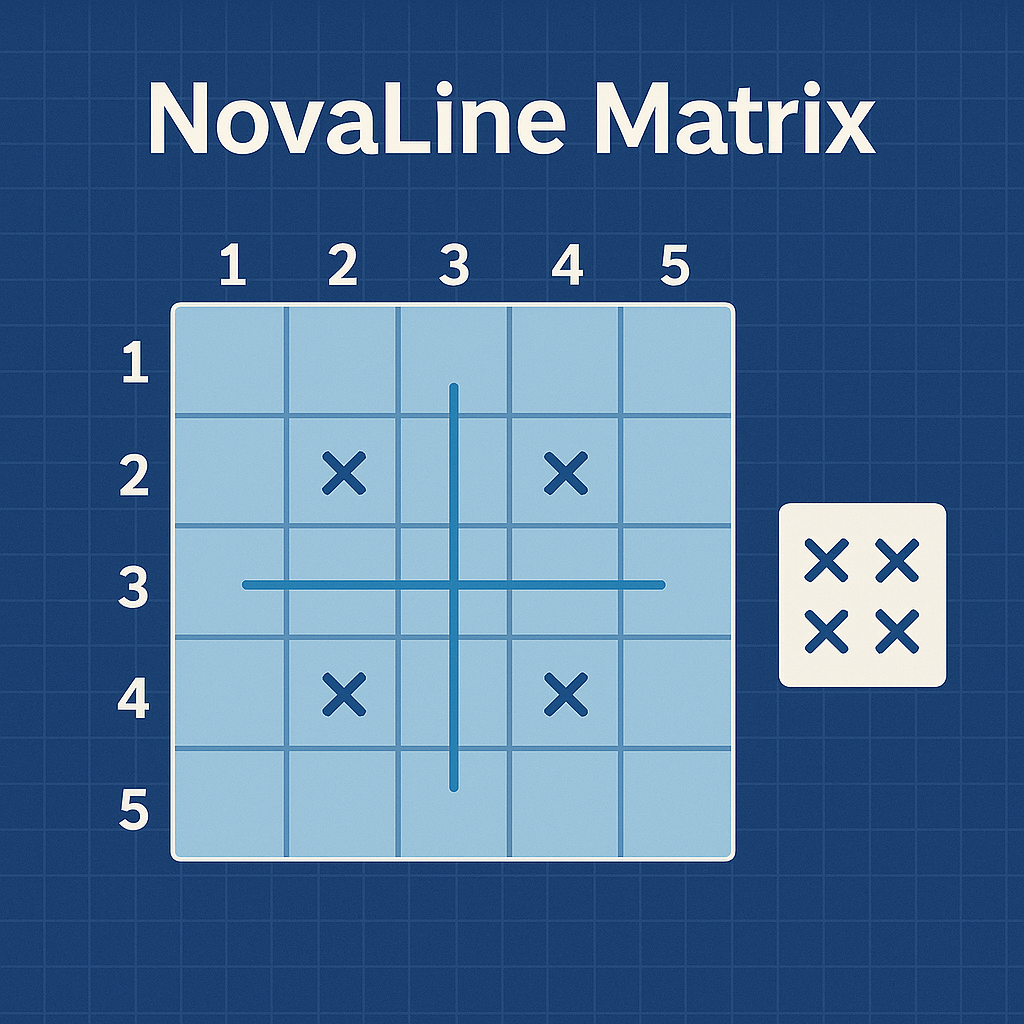
NovaLine Matrix is a conceptual format where entries are created by selecting intersecting coordinates across a vertical and horizontal range. The draw model explains how coordinate points are compared to drawn reference lines and how resulting intersections are noted in summary sheets.

Manual overview: coordinate mapping, selection steps, aligning drawn reference lines, and interpreting multi-axis match outlines in matrix-style documentation.
ChronoSphere Relay

ChronoSphere Relay

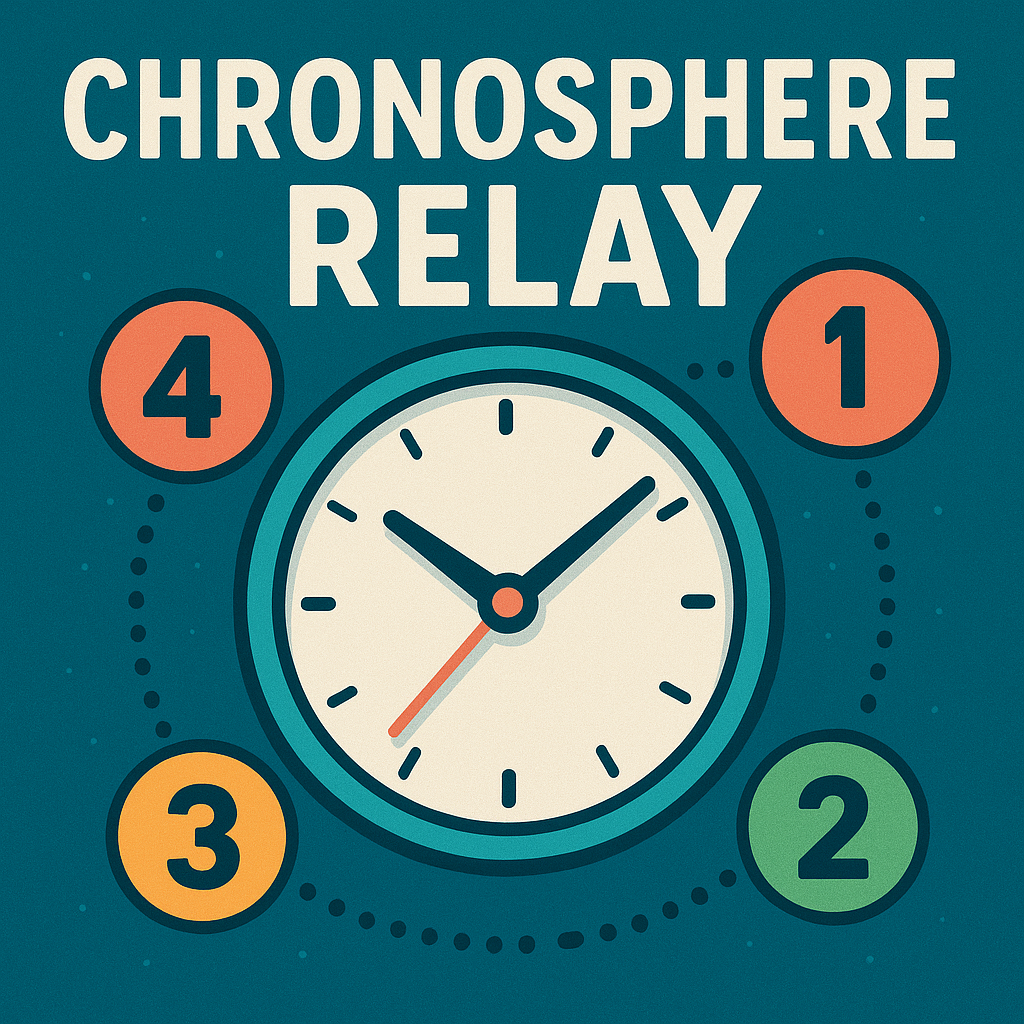
ChronoSphere Relay is a fictional sequence-based draw concept built around time-stamped value tiers. Participants assign values to designated “relay positions,” and the draw sequence processes them in chronological stages, allowing users to examine step-by-step outcome movement.

Manual overview: position labeling, stage-by-stage interpretation, reading chronological relay charts, and understanding how multi-phase sequences are documented.

LumiGrid Cascade

LumiGrid Cascade

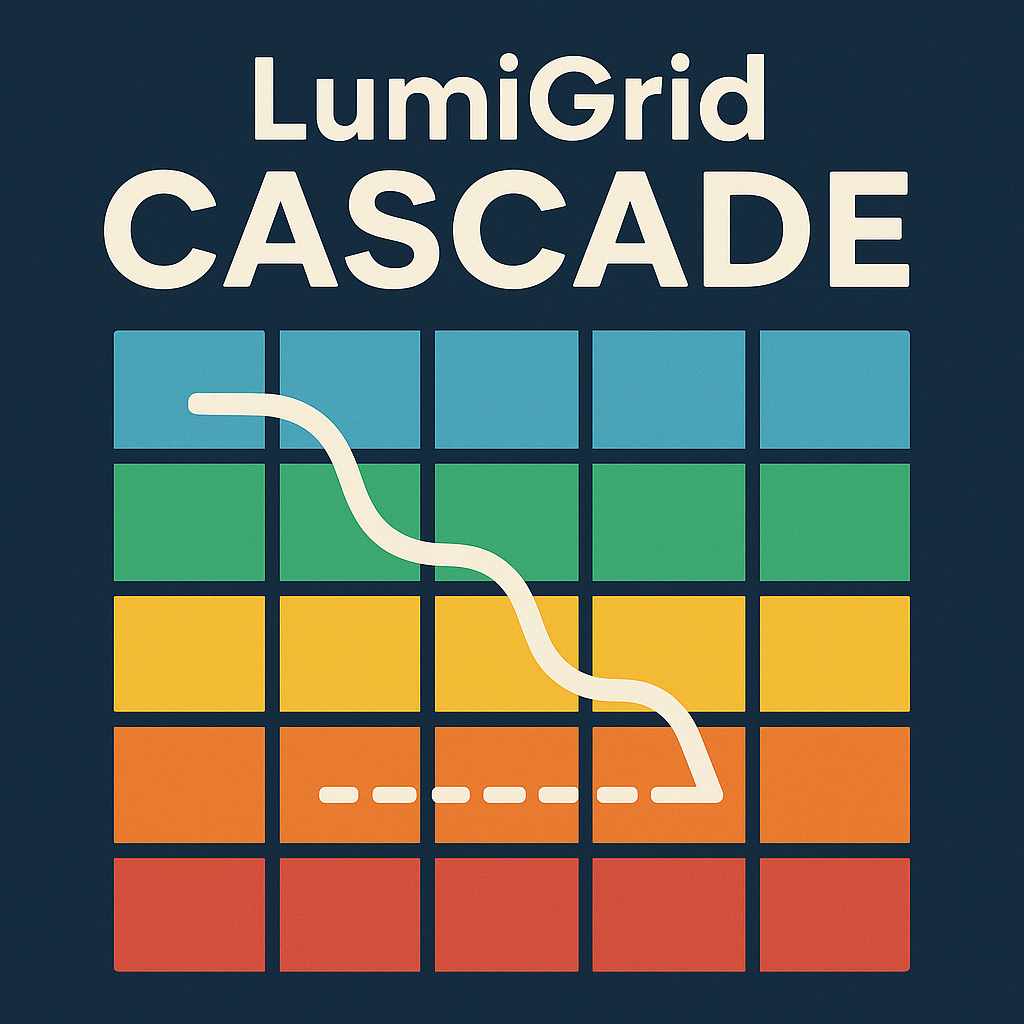
LumiGrid Cascade introduces a tiered-grid model where values are placed into cascading segments, each representing a different conceptual tier. Results are interpreted by tracing how drawn indicators travel through the grid, producing tier-based outcome summaries.

Manual overview: cascade-tier alignment, reading downward-tier charts, segment-based interpretation, and documenting tier progression in cascade-style layouts.

Practical Manuals — Understanding PlayCanada-Zone Concept Games

The manuals below are written specifically for the fictional games featured on PlayCanada-Zone. All explanations use neutral, reference-oriented language designed for clarity, documentation, and structured interpretation.

Manual: Interpreting NovaLine Matrix Coordinates

  1. Identify the vertical and horizontal ranges: NovaLine Matrix uses two independent axes. Each coordinate pair represents an intersecting point on the grid.
  2. Locate selected coordinates: Entries consist of multiple grid intersections. They are typically organized into a simple list or chart for reference.
  3. Check drawn reference lines: A draw generates two reference lines—one vertical, one horizontal. The conceptual match occurs where the drawn lines intersect the user’s coordinates.
  4. Review the match outline: Documentation presents the outcome as a multi-axis match diagram, illustrating how many selected coordinates fall within the drawn lines.
  5. Confirm summary sheet placement: Final interpretations appear in a matrix-style summary sheet that categorizes intersections into match tiers.

These steps help readers understand how coordinate-based formats are documented, compared, and summarized within NovaLine Matrix.

Manual: Reading ChronoSphere Relay Stage Progression

ChronoSphere Relay uses time-stamped relay positions to create a multi-phase draw sequence. Understanding the structure improves clarity when reading its layered documentation:

  • Mark the relay positions: Each position is labeled with a sequential timestamp, showing the order in which values progress through the relay chain.
  • Check stage transitions: The draw moves through several chronological stages. Manuals describe how each stage updates the displayed values.
  • Interpret relay charts: Stage-by-stage relay charts show how values shift from one position to the next, forming a consistent timeline.
  • Compare final alignment: The last stage defines the conceptual “final sequence,” which is compared to the user’s assigned relay positions.

This manual clarifies the multi-phase nature of ChronoSphere Relay and explains how its chronological documentation is structured for reference.

Manual: Understanding LumiGrid Cascade Tier Flow

LumiGrid Cascade operates on a descending tier model, where values move conceptually through a vertical series of cascading grid layers.

  • Identify the grid tiers: Each tier represents a conceptual stage in the cascade. Entries place values into predetermined tier segments.
  • Track downward movement: Drawn indicators “cascade” through the grid, moving from top segments toward lower tiers according to predefined rules.
  • Read tier charts: Documentation uses downward-tier charts to illustrate how indicators move between tiers.
  • Interpret segment results: Matches are determined by where the indicator settles within the tier structure.
  • Review the tier progression summary: Final documentation summarizes all tier movements in a clear vertical layout.

These steps outline the conceptual flow of LumiGrid Cascade and help readers understand its layered approach to outcome interpretation.

Responsible Play & Neutral Guidance

This section provides neutral, informational guidance designed to help readers maintain balanced, well-structured habits when interacting with any draw-based or strategy-based entertainment system. It is not promotional and focuses strictly on clarity, awareness, and safe informational practices.

Core Principles of Responsible Engagement

  • Set clear personal limits: plan interaction time in advance and keep routines predictable.
  • Use documented information only: base decisions on reliable, neutral instructions and not on assumptions or patterns.
  • Monitor frequency: track how often you review draw-related materials or participate in any related activities.
  • Maintain balanced routines: ensure entertainment activities remain a small, optional part of overall daily structure.
  • Avoid emotional decisions: use only factual documentation and avoid decisions based on expectation, impulse, or past outcomes.

These principles ensure that interaction with any fictional or real-world draw content remains clear, measured, and properly contextualized.

Recognizing Healthy Information Habits

A responsible approach emphasizes awareness and structure. These neutral guidelines help maintain an informed and balanced perspective when reviewing lottery-style documentation.

  • Stay informed objectively: use verified informational sources and avoid speculative interpretations.
  • Review outcomes correctly: rely only on published results or documented summaries for understanding sequences or grid outcomes.
  • Separate entertainment from expectation: fictional draw systems like NovaLine Matrix, ChronoSphere Relay, and LumiGrid Cascade are designed for conceptual understanding, not predictive use.
  • Identify signs of imbalance: difficulty stepping away, over-tracking outcomes, or seeking repeated result checking may indicate the need for moderation.

Healthy habits support clear thinking, proper interpretation, and safe, structured use of informational resources.

Where to Seek Additional Support

If at any point readers feel uncertain about their habits or wish to improve balance, seeking external guidance is recommended. Canadian provinces provide neutral resources that focus on education, awareness, and healthy engagement strategies.

  • Provincial information portals: offer educational materials on balanced entertainment habits.
  • Health and wellness organizations: provide general advice on managing routine behaviors and time-related habits.
  • Community resource centers: available for neutral discussions about personal structure, balance, and information literacy.

These resources exist to help readers maintain grounded, informed, and consistent engagement with any form of structured entertainment or documentation.